A century,
and counting.
Singapore's oldest alumni association for healthcare professionals was founded on 5 September 1923 by the graduates of the country's first medical school - and has spent the hundred years since arguing, building and giving on their behalf.
Not to be ministered unto, but to minister.The Association's motto
Before there was an Association
There had to be graduates before there could be alumni. Singapore's first medical school was itself an act of public will - paid for by the people it would serve.
A school raised by subscription
The Straits and Federated Malay States Government Medical School opened after the community raised the money itself. The surviving subscribers' list totals $87,077 - a fortune at the time, given by merchants, clan associations and private citizens who wanted local doctors.
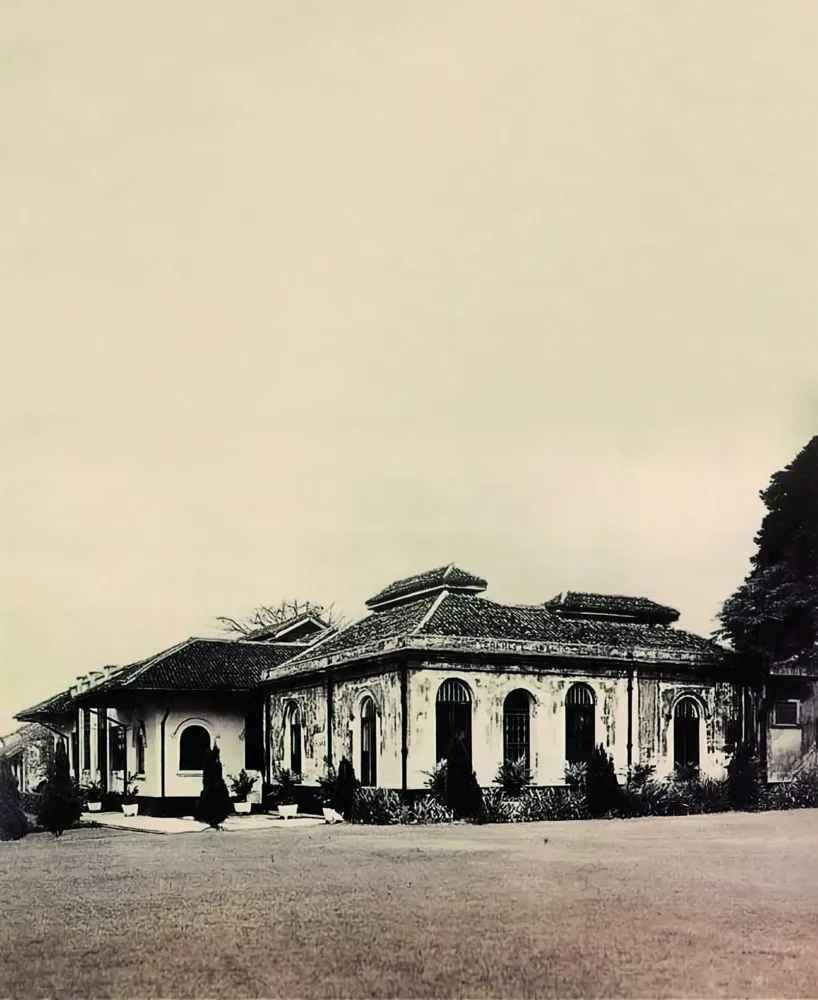
Its first home was a converted former Female Lunatic Asylum block. Pharmacy training began in the same year.
The first seven
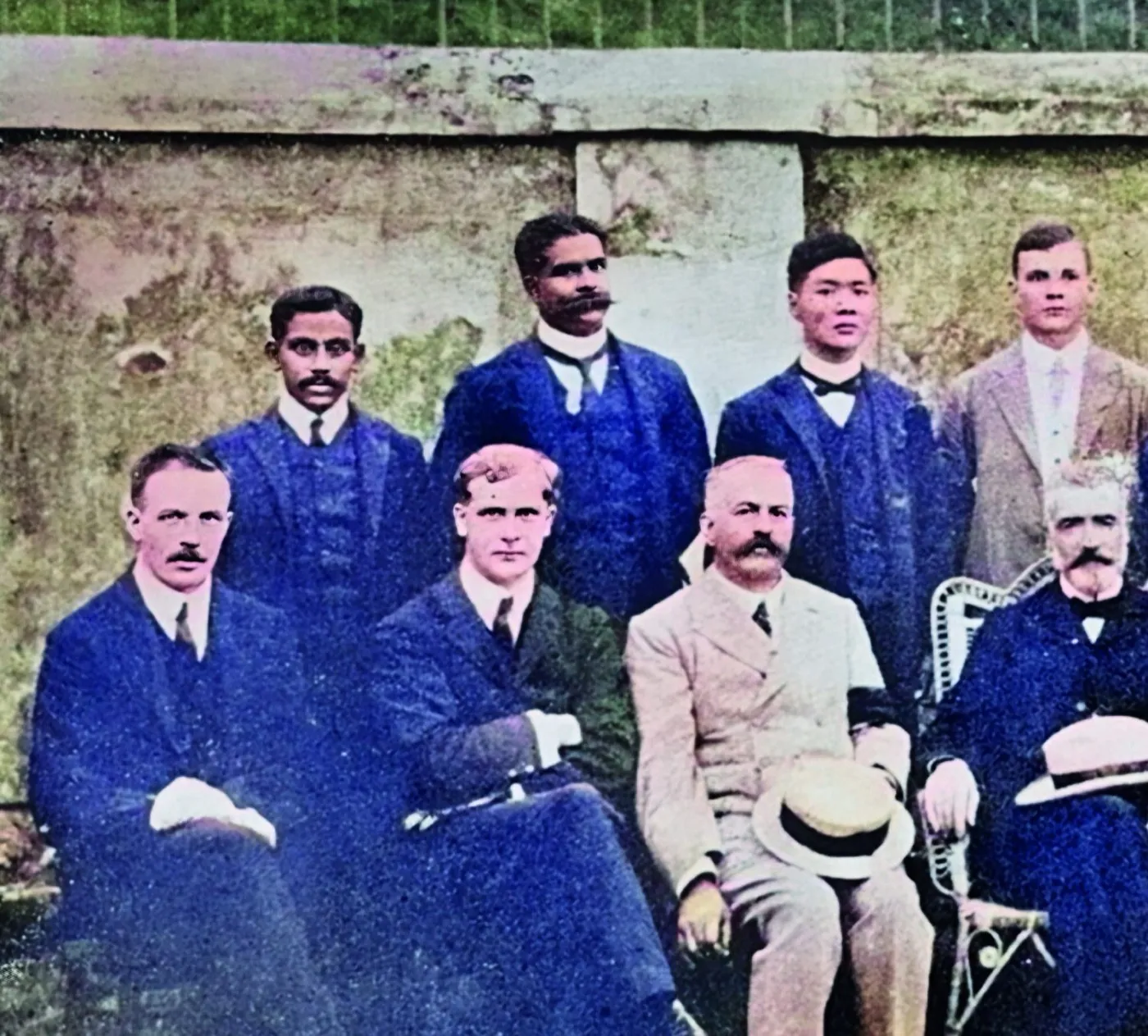
In May, seven men received the Licentiate in Medicine and Surgery - the first medical graduates trained in Singapore. Among them was Chen Su Lan, who had arrived from Fuzhou five years earlier, aged twenty, and enrolled after reading a newspaper announcement.
The graduates multiplied quickly: 59 by 1915, 117 by 1920, 233 by 1930.
A false start
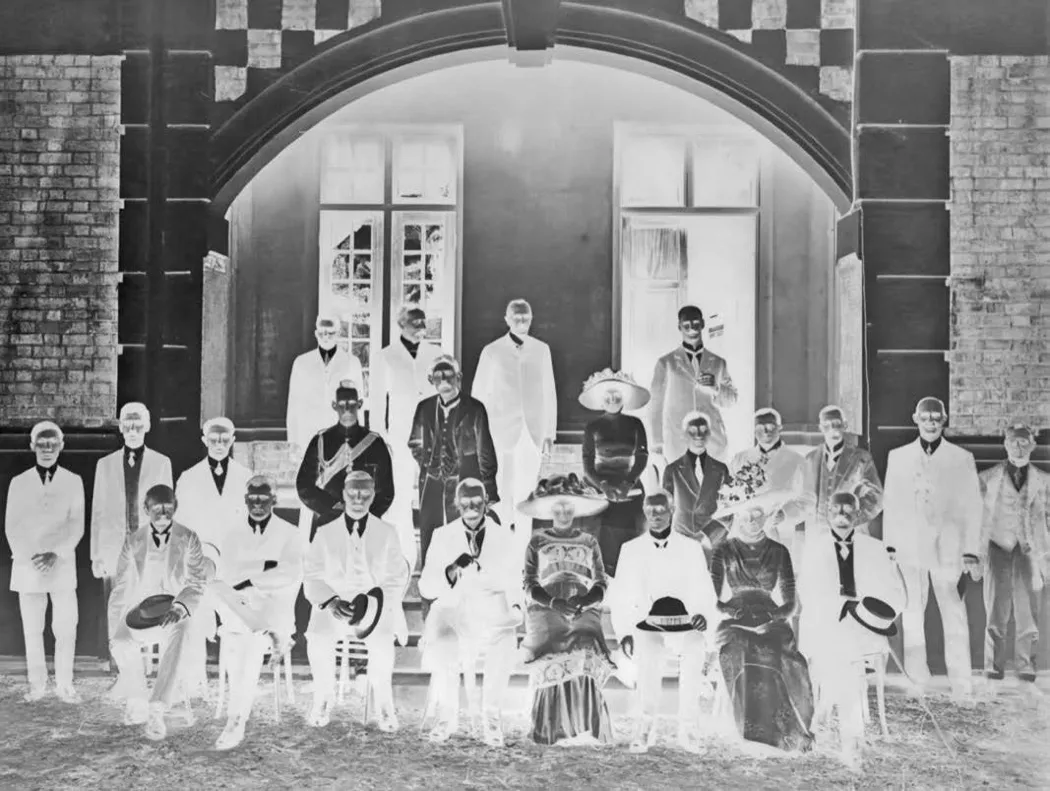
A first attempt at a graduates' body, under Dr E W de Cruz, was formed and failed within a year. The idea was right; the moment was not.
The founding
Victoria Memorial Hall, 5 September
Dr Chen Su Lan had travelled to the United States that year and been struck by the alumni culture he found there - graduates who stayed bound to one another and to their school long after leaving it. He came home determined to build the same thing.
Graduates gathered at Victoria Memorial Hall during the 5th Congress of the Far Eastern Association of Tropical Medicine and formed the Singapore Medical College Graduates Association, with a committee of twelve. Chen Su Lan was elected its first President.
The timing was no accident. The very next day, the foundation stone of the College of Medicine Building was laid.
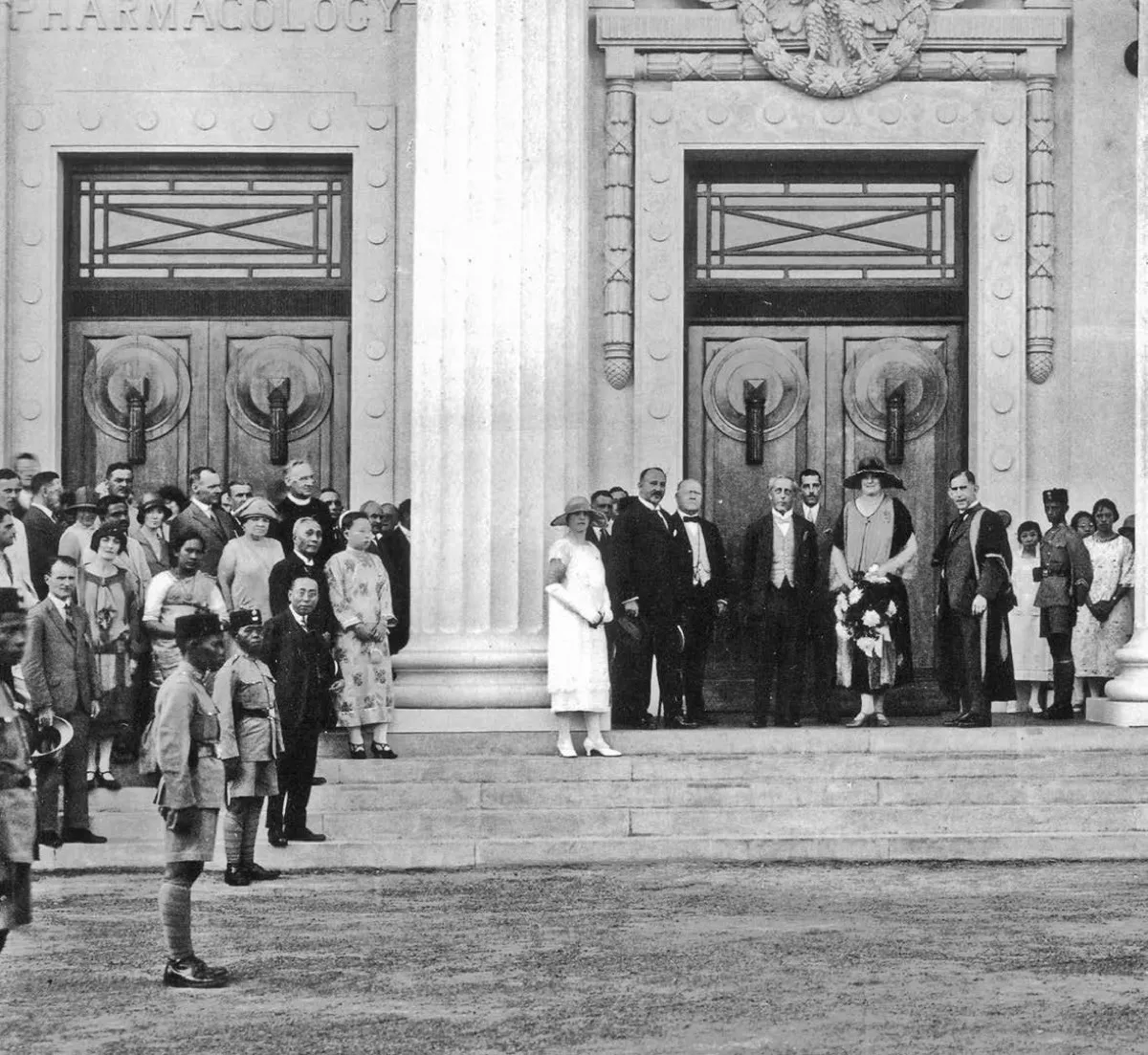
One body, three professions
As the College grew, so did who belonged. What began as a doctors' association became something no other body in Singapore has ever been.
Dentistry joins
The Dental School opened, and its graduates came into the Association as full members.
A new name
On 27 December the body was renamed the Alumni Association of King Edward VII College of Medicine, after the College itself.
Pharmacy joins
The School of Pharmacy was founded and pharmacy graduates joined too - binding medicine, dentistry and pharmacy into a single association.
To this day we remain the only body in which medicine, dentistry and pharmacy sit together as equals.
Three branches, two countries
A constitution drafted around 1941 had been overtaken by the Pacific War - the general meeting called for December 1941 never took place. It was finally implemented on 12 January 1947, dividing the Association into Northern, Central and Southern branches under a Central Council.
The Association is registered with the Registrar of Societies in two countries. The Southern Branch covers Singapore, Johore, Sarawak, Sabah and Brunei.
Renamed again
The name was widened once more to take in graduates of the Faculty of Medicine, University of Malaya.
Fighting to be equals
The Association's defining early struggle was not medical. It was the plain refusal of colonial government to treat locally trained doctors as the equals of those trained in Britain.
Recognised, and still second class
Britain's General Medical Council had recognised the College's diploma since 1916. It made little difference at home. Local graduates were classed as "Assistant Surgeons" on roughly half the pay of European Medical Officers, denied study leave, denied promotion, denied the senior posts their qualifications entitled them to.
A blessing in disguise
The Japanese Occupation settled the argument in the worst possible way. With European doctors interned, local graduates ran Malaya's hospitals themselves, under appalling conditions and with almost nothing to work with.
They discovered they could do it. When the war ended, they refused to go back to being assistants, and resignations followed in numbers the administration could not ignore.
A unified Medical Service
Through repeated petitions to the Secretary of State for the Colonies, a public campaign led by Dr A A Sandosham, and a commission under Sir Harry Trusted, the Association helped win a unified Medical Service - the first branch of the Colonial Civil Service anywhere to abolish the distinction between expatriate and local officers.
It opened the door to Malayanisation across the whole service. The Association also won back-pay for its members, raising the ex-gratia settlement from three months' salary to twenty-four.
The privileged class owes a debt to the public - a debt to be paid in service.
Dr Chen Su Lan, Malaya Tribune, 4 August 1947And a fight beyond medicine
Chen Su Lan led anti-opium campaigns from 1929 and established an Anti-Opium Clinic which weaned some 7,000 smokers before closing in 1937, when its funds were diverted to the China Relief Fund.
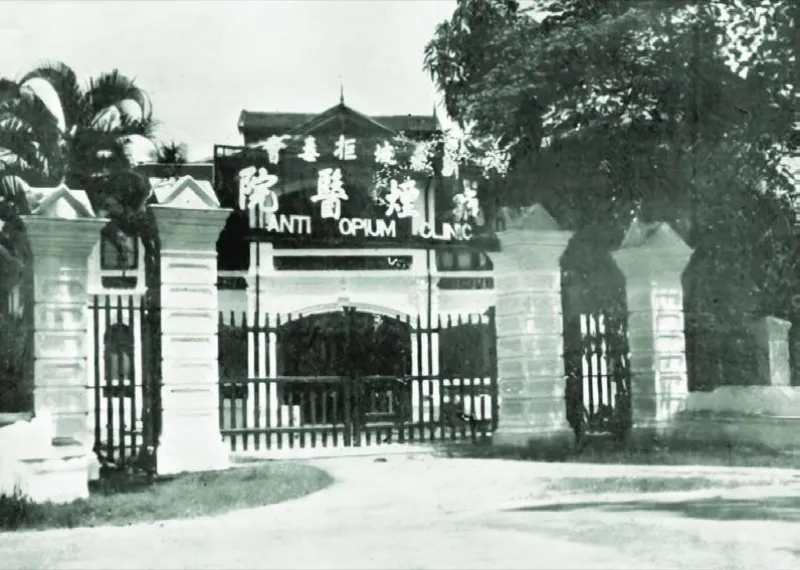
What we set in motion
Having won its arguments, the Association gave its work away. Much of what it started outlived its own involvement - which was rather the point.
A unified Medical Service
The first branch of the Civil Service to abolish the expatriate and local distinction, and the precedent for Malayanisation.
The University of Malaya
The Association was among the first bodies to agitate for a university in Malaya, and argued successfully that it should remain in Singapore.
The Singapore Medical Association
Inaugurated on 15 September with our own President, Dr B R Sreenivasan, as its Foundation President. We handed it our professional and political work.
The Alumni Student Chapter
Founded by Prof Arthur Lim, now spanning medicine, dentistry, nursing, pharmacy and allied health students across every school.
The house the profession grew up in
For three decades afterwards the Singapore Medical Association, the Singapore Dental Association and the Pharmaceutical Society of Singapore all worked from the Association's building at College Road - three professions, three organisations, one roof.
Having given its gifts, the Association kept what it had been founded for in the first place: fellowship. Its last Proceedings appeared in December 1959 with the line "The Proceedings is dead. Long live the Journal!"
A body of great influence and power.
Malcolm MacDonald, Commissioner-General and founding Chancellor of the University of MalayaIt has been a tremendous force for good… in helping the country in its emancipation to nationhood.
Tun Abdul Razak, Deputy Prime Minister, Federation of MalayaA place to call home
The first Medical Centre
The Association opened its own Medical Centre at 4A College Road, timed to coincide with the medical school's Golden Jubilee week. Its Building Committee was chaired by Chen Su Lan; two of its members, Dato Dr C J Paglar and Dato Dr N Mootatamby, died before it was finished.
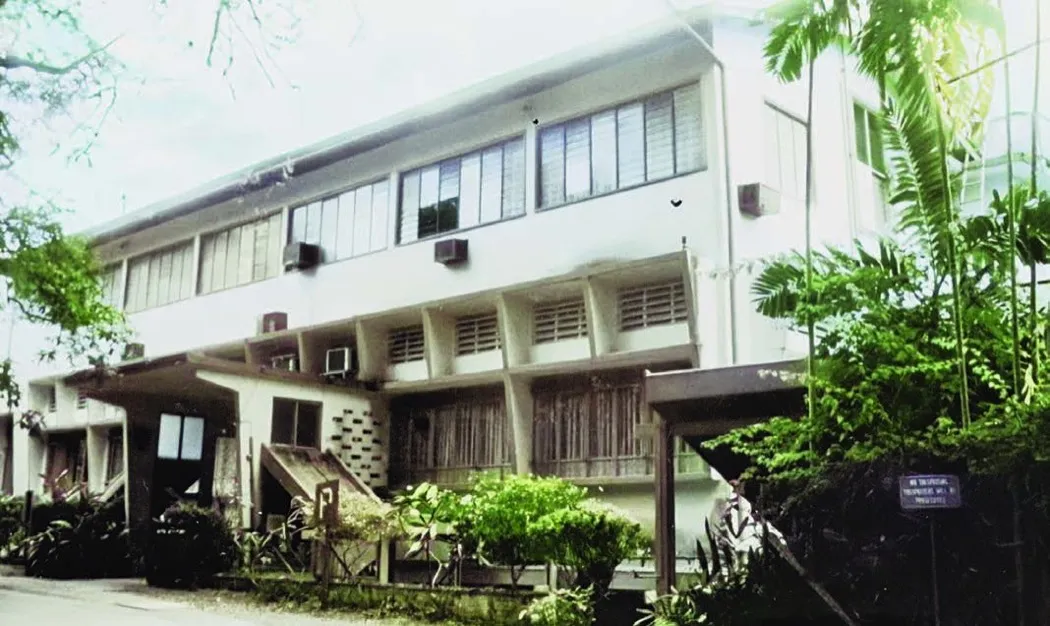
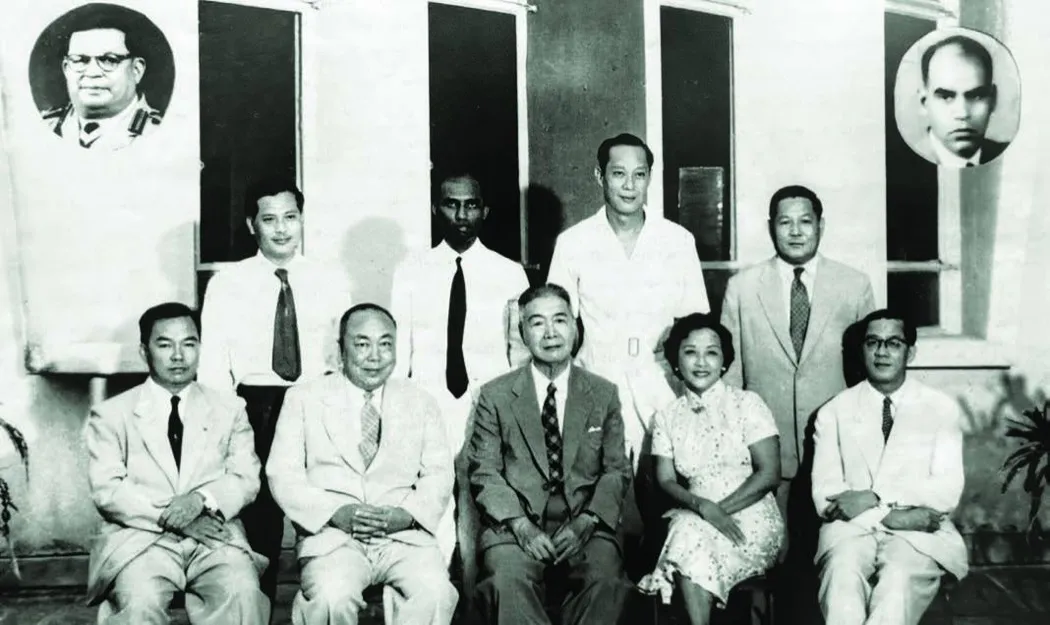
2 College Road
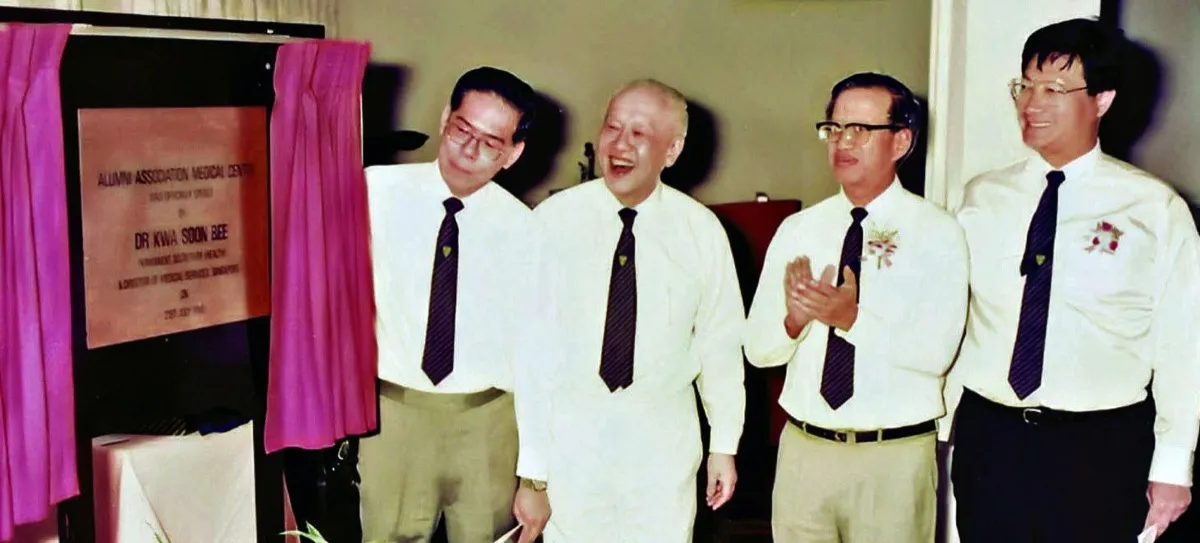
The former Department of Scientific Services building was handed over to the Association on 3 August 1988 by Dr Kwa Soon Bee. The new Alumni Medical Centre at 2 College Road was officially opened on 21 July 1990.
It has been the Association's home ever since.
Giants amongst equals
Dr Chee Phui Hung liked to remind new members that at the Alumni everyone is equal. Then he would add that every so often a giant stands among them.
Dr Chen Su Lan
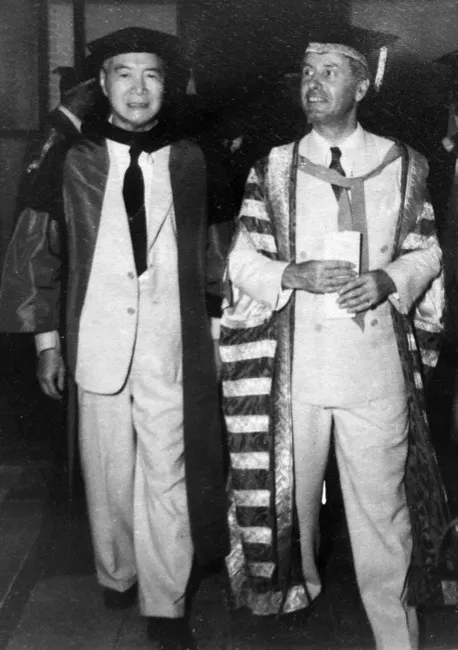
Founder and first PresidentOne of the first seven graduates of 1910. Founded the Association in 1923 and led it for many years, later becoming its Emeritus President. Anti-opium campaigner, social reformer and philanthropist; conferred an honorary Doctor of Laws by the University of Malaya in 1952. He founded the Chen Su Lan Trust and the children's home that still carries his name.
Prof Benjamin Sheares
President of the Association, 1965Obstetrician, and later the second President of the Republic of Singapore, 1971 to 1981.
Dr B R Sreenivasan
President of the AssociationChaired the Malayanisation Commission and edited the Association's Proceedings from 1948. In 1959 he became the Foundation President of the Singapore Medical Association, carrying our professional work across to the new body.
Dr T J Danaraj
Dean, King Edward VII College of MedicineBecame First Professor of Medicine and Foundation Dean of the Kuala Lumpur Faculty of Medicine on 1 February 1963.
Dr Lee Choo Neo
Graduate of 1919The first local woman to practise medicine in Singapore, and a pioneer of women's rights who co-founded the Chinese Ladies Association in 1915.
Dr Kwa Soon Bee
Permanent Secretary (Health) and Director of Medical ServicesBuilt up the national Blood Bank and helped shape Medisave, MediShield and Medifund. He handed the Association the keys to 2 College Road, and opened the Medical Centre there in 1990.
Prof Arthur Lim Siew Ming
President on nine occasionsOphthalmologist, pivotal in establishing the Singapore National Eye Centre and the Singapore Eye Research Institute. A formidable fundraiser who founded the Alumni Student Chapter in 2008. He died in 2014.
Dr Chee Phui Hung
President, 1962Known to everyone as "Agong" after he supervised the renovation of the old Medical Centre. A born orator, often caustic at annual general meetings, and for decades the Association's most constant presence. He died in 2010.
Across the Causeway
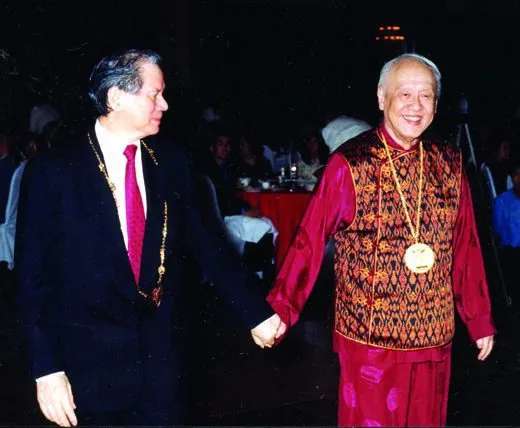
The Association has never been only Singaporean. Its members trained together before either country existed in its present form, and its reunions have moved between them ever since.
The Reunion
The modern reunion format began in Penang in 1960. Since then members have gathered in Penang, Ipoh, Kuala Lumpur, Malacca, Kota Bharu, Port Dickson, Langkawi, the Cameron Highlands and Singapore - an unbroken run interrupted only by the pandemic.
Old classmates
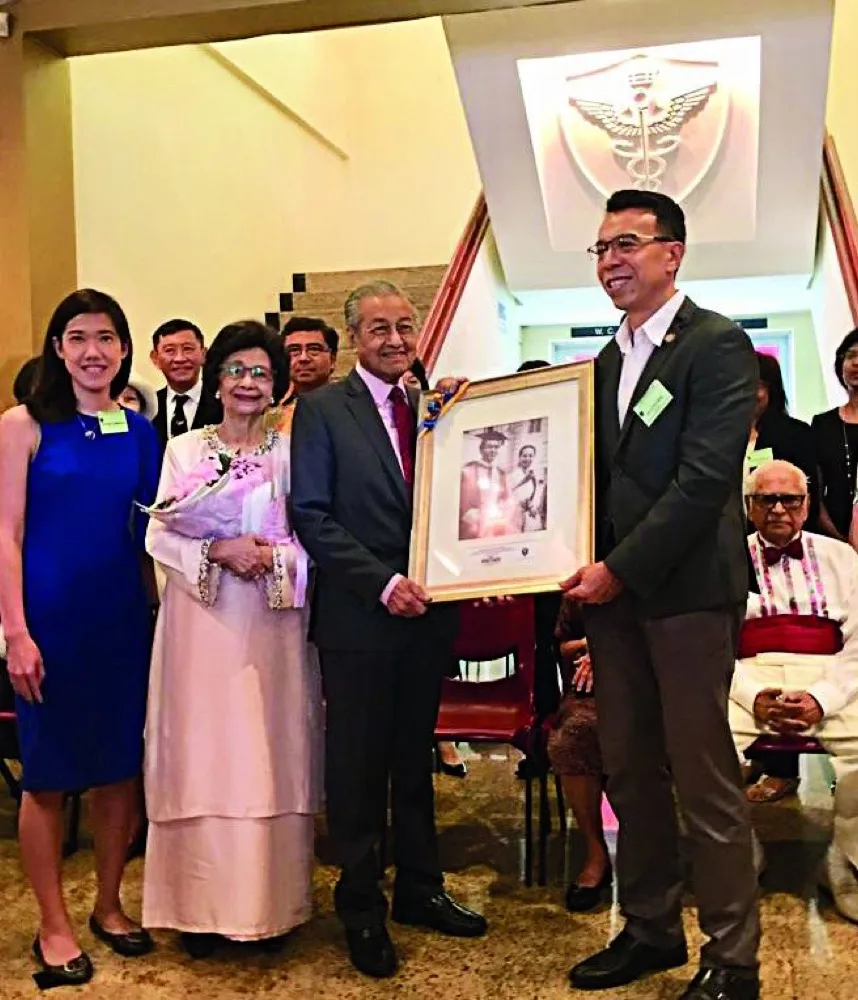
Among our alumni are a Prime Minister of Malaysia and a President of Singapore. Tun Dr Mahathir Mohamad and Tun Dr Siti Hasmah, who studied medicine together in the 1950s, returned to the Alumni Medical Centre during their 2018 state visit to renew friendships with their classmates.
About these pages. This history is drawn from A Century of Healthcare Transformation, the Association's centennial volume published in 2023, together with the Association's own archive. Where our records disagree with one another, we have said less rather than guess. Corrections and additions from members are welcome - please write to the Secretariat.
Towards the next 100 years. Viva, our Alumni Association.
A Century of Healthcare Transformation, 2023Write the Next Chapter With Us
Join a community that has connected Singapore's healthcare professionals for over a century.
Become a Member